

Difference between Laser Marking and Laser Engraving
Author:Betop laser
Click:
Time:2024-05-06 09:18:59
Distinguishing between laser marking and engraving is vital for optimizing production. Laser marking machine, ideal for high-speed, surface-level applications, ensures cost efficiency and traceability. Meanwhile, laser engraving machine, with its deeper material removal, suits artistic designs and durable, permanent marks. Recognizing their differences empowers industries to choose the right technology based on material compatibility, speed, and specific application needs, enhancing overall efficiency and product quality.
Laser marking is like using a magic pen, but instead of ink, it uses a special laser beam to create long-lasting marks on different materials. Imagine your favorite gadget having a tiny, invisible signature that helps manufacturers keep track of it during production. That's what laser marker does – it adds important information like serial numbers, logos, or barcodes onto things like electronics, car parts, or medical devices. While laser engraver goes a bit deeper. It carves out designs, names, or patterns from materials like wood, metal, or plastic. Think of it as creating personalized jewelry with special messages or engraving beautiful designs on awards and trophies. Laser engraving adds a touch of uniqueness, making products stand out with carefully crafted details.
Key Differences Between Laser Marking and Laser Engraving
Understanding these distinctions is crucial for selecting the appropriate technology based on specific manufacturing needs, ensuring optimal results, and cost-efficient processes that align with the desired outcomes.

A. Depth of Material Removal
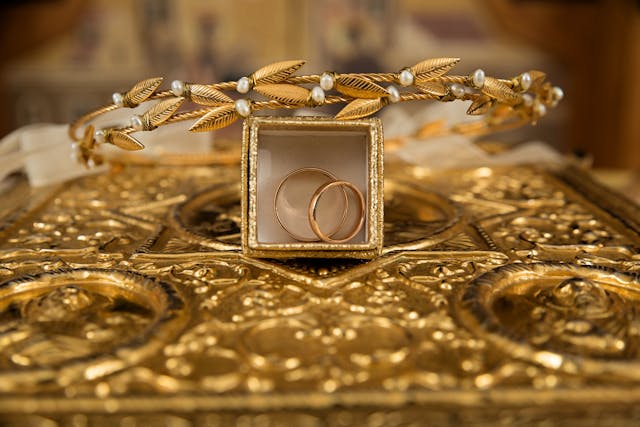
In laser marking, the process gently alters the surface without delving deep into the material, creating visible, surface-level marks that are suitable for applications requiring minimal material disruption. Conversely, laser engraving resembles carving, penetrating deeper into the material, resulting in noticeable indentations and altering the surface texture. This deeper material removal is ideal for applications where a more pronounced and tactile mark is desired, such as artistic engravings on jewelry or detailed patterns on awards.
B. Material Removal Rate and Processing Speed
Laser marking, known for its efficiency, involves minimal material removal, making it a swift process suitable for high-throughput applications like industrial traceability on electronic components or medical devices. On the other hand, laser engraving, being more intricate, is comparatively slower due to the removal of more material. This precision is valuable for applications requiring detailed and personalized engravings, such as creating unique designs on promotional products or personalized messages on awards.
C. Depth Control and Precision
Laser marking offers less control over depth, producing surface-level marks with limited precision, which is advantageous for applications like serial numbers and barcodes. In contrast, laser engraving provides greater depth control, allowing for precise and intricate engravings with well-defined depths. This makes laser engraving suitable for applications where depth precision is crucial, such as creating intricate patterns on wooden or metal surfaces.
D. Surface Finish and Texture
Laser marking leaves the surface mostly unchanged, maintaining a smooth finish, making it preferable for applications where surface aesthetics are important. Laser engraving, however, can alter the surface texture, creating a textured or rougher appearance, especially in deeper engravings. This texturing effect can be harnessed for applications where a tactile or decorative surface finish is desired, such as engraving patterns on wooden furniture or creating textured designs on promotional items.
E. Coloration and Visibility
Laser marking often results in color changes on the surface, offering high contrast and visibility. This is advantageous for applications like adding serial numbers or logos onto metal or plastic components. Laser engraving, with limited coloration, usually reflects the natural color of the material or a contrast created by the removal of material. The ability to achieve high contrast in laser marking is crucial for applications where clear visibility is essential for traceability or branding.
F. Cost Considerations
Laser marking is generally more cost-effective due to lower energy and time requirements, making it a practical choice for mass production applications that prioritize efficiency and cost savings. Conversely, laser engraving may be costlier due to increased energy consumption and longer processing times, especially for deep engravings. The added cost is often justified for applications where the precision and depth control of laser engraving are essential, such as creating detailed designs on high-value items or personalized engravings that require meticulous attention.
Laser marking is usually integrated into assembly lines to imprint essential serial numbers onto electronic components and traceability codes onto medical devices. The precision and speed of laser marking prove indispensable in ensuring the accurate identification, tracking, and quality control of products in high-volume manufacturing settings. On the contrary, laser engraving takes on a more intricate role. This technology becomes an artisan, delicately etching detailed and personalized patterns onto jewelry, transforming each piece into a unique work of art. Similarly, when gracing awards and trophies, laser engraving adds a touch of exclusivity, turning ordinary objects into cherished mementos. These scenarios underscore the versatility of laser technologies, seamlessly transitioning between the demands of efficient mass production and the meticulous craftsmanship required for creating personalized, artistic masterpieces. In doing so, lasers emerge as the unsung heroes of modern manufacturing, offering a perfect blend of efficiency and artistry.
The distinction between laser marking and laser engraving is vital in navigating the diverse landscape of manufacturing needs. Recognizing these differences allows industries to optimize their production processes and meet the demands of both efficiency and artistry. At our company, Betop Laser, we recognize the significance of these technologies and proudly offer a comprehensive range of solutions. Whether you require a laser marking machine for streamlined mass production or a laser engraving machine for intricate personalization, we've got you covered. Our commitment extends beyond providing machines; we specialize in customized laser solutions tailored to diverse business needs. We welcome collaboration from around the world and take pride in assisting those with limited knowledge about these machines. Join us in unlocking the potential of laser technology – where efficiency and artistry converge seamlessly.

点击右上角
分享给朋友吧







 Long by picture save/share
1
RELATED RESOURCES
-

How can laser marking color on metal material?
-
How to Repair the Mold Damages with Laser Welder
-
Laser Machines for Jewelry Making
-
Betop Handheld Laser Welder
-
Brief Introduction for safety measures for customized Class I Laser marker from Betop Laser
-
Laser Marking in the Electronics & Semiconductors Industry
-
Can Laser Machines Mark on Curved Surfaces?
-
Boost Your Production with Laser Automation Solutions
-
Laser Marker ODM (Original Design Manufacturing) Service from Betop Laser
-
Why Chinese Laser Machines Are Much Cheaper Than Those Made in Europe and the USA





CONTACT US
Office Address: Pin'ao Industry, Fucheng, Longhua District, Shenzhen, P.R.China
Tel: +86 137 1463 0437
WhatsApp: +86 137 1463 0437
E-mail: Sales@betoplaser.com


© Betop laser All Rights Reserved
