

Why Wavelength Matters in Laser Marking?
Author:Betop laser
Click:
Time:2024-05-09 11:13:49
Ever noticed those perfect marks on products? Picture lasers as careful artists and wavelength as their tool. In this article, we'll explore why picking the right wavelength for laser marking is so important. Whether it's metal or plastic, this technology leaves a mark on all sorts of materials.
Laser technology might sound fancy, but let's break it down into simple bits. Think of lasers as super-focused flashlights, but cooler. The "wavelength" is like the color of light they shine. Now, why does this matter?
“Wavelength”
Wavelength is the distance between one wave and the next in a beam of light. In laser talk, it determines the color of the laser. Different materials react differently to various colors, so choosing the right one is crucial for a perfect mark.
Here's a quick science nugget: wavelength and frequency are like best buddies. As wavelength goes up, frequency goes down. It's a balance dance. When we talk about lasers, we're often interested in a specific frequency, or color, because that's what makes the magic happen on different materials.
Different materials respond uniquely to different wavelengths. Metals, such as stainless steel and aluminum, thrive under shorter wavelengths, where the laser's energetic touch effectively leaves its mark without causing harm. In contrast, plastics prefer longer wavelengths, akin to gentle giants that delicately interact, ensuring precise marks without excessive heat. Versatile materials like ceramics demand a middle-ground wavelength, striking a balance that allows the laser to mark with finesse. The choice of wavelength is akin to selecting a color palette for different canvases, each material having its preference. This nuanced understanding extends to balancing marking depth and detail – shorter wavelengths excel in intricate detailing, while longer wavelengths penetrate deeper. Manufacturers and industries benefit from this wavelength-material dynamic, tailoring laser settings for optimal outcomes.
Wavelength is the secret sauce that makes laser marking work. It's not just about the light's color; it's about knowing which color works best with the material you're marking. Understanding this wavelength-material relationship is the key to unlocking the full potential of laser marking. It's about finding the sweet spot where the laser and material high-five each other for a job well done.
How Wavelength Impacts Marking Depth
Wavelength plays a crucial role in determining how deeply the laser can penetrate into a material. Think of it as the laser's ability to travel – shorter wavelengths act like sprinters, reaching shallow depths with precision, while longer wavelengths are more like marathon runners, delving deeper into the material. This proves invaluable in industries like automotive manufacturing, where engraving serial numbers on engine parts or chassis components requires enduring depth. So, when choosing a wavelength, consider the material's thickness and the desired depth of the mark.
Precision Considerations in Selecting the Right Frequency
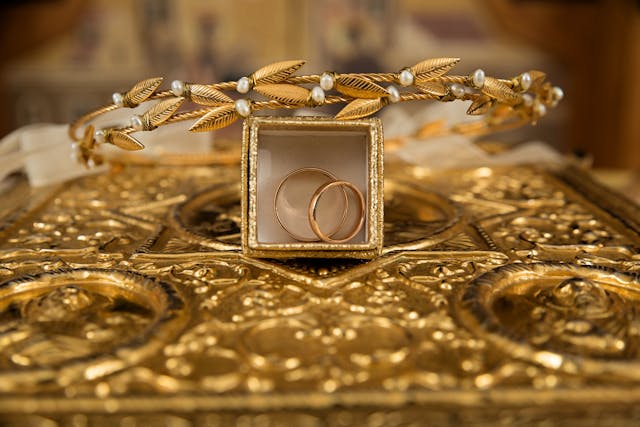
Precision is the name of the game in laser marking, and selecting the right frequency is the key player. Shorter wavelengths bring finesse to the details, perfect for intricate designs or small markings. Take, for instance, the jewelry industry, where intricate designs on rings or serial numbers on high-end watches demand precision. On the flip side, longer wavelengths sacrifice a bit of detail for the ability to cover larger areas. Choosing the right frequency is like picking the right tool for the job – do you need a fine brush for delicate strokes or a broader one for a sweeping finish? Manufacturers weigh these precision considerations when selecting the frequency, ensuring the laser delivers the exact level of detail needed for a flawless mark on the chosen material.
Impact on Production Efficiency and Product Quality
The wavelength selection in laser marking is akin to choosing the pace and precision of an assembly line. Shorter wavelengths, acting like swift workers, accelerate the process, making them ideal for industries with high-volume production demands. For example, in the electronics sector, where components need rapid and clear identification, shorter wavelengths enhance efficiency by swiftly marking intricate details.
Conversely, longer wavelengths operate as meticulous craftsmen, focusing on each mark with thorough precision. Industries such as aerospace, where parts demand enduring and accurate identification, benefit from the deliberate approach of longer wavelengths. The extended processing time ensures that each mark is deeply ingrained, contributing to the durability and traceability of the product.
This wavelength dance directly impacts production efficiency, determining the speed at which items can be marked, and product quality, ensuring each mark meets stringent standards. In the dynamic world of manufacturing, finding the right wavelength balance aligns with the dual goals of enhancing efficiency for high-volume production while upholding the precision required for durable and distinct markings, ultimately influencing the overall success of the production process.
As products bear marks that define industries, the wavelength becomes the brushstroke shaping efficiency and quality. At Betop Laser, we take pride in being a professional laser marking machine supplier, delivering cutting-edge solutions globally. Having catered to diverse industries in various countries, our expertise stands ready to assist. Should you have any questions regarding laser marking machines or seek tailored solutions, feel free to reach out. Together, let's illuminate the future of marking technology.

点击右上角
分享给朋友吧







 Long by picture save/share
2
RELATED RESOURCES
-

How can laser marking color on metal material?
-
How to Repair the Mold Damages with Laser Welder
-
Laser Machines for Jewelry Making
-
Betop Handheld Laser Welder
-
Brief Introduction for safety measures for customized Class I Laser marker from Betop Laser
-
Laser Marking in the Electronics & Semiconductors Industry
-
Can Laser Machines Mark on Curved Surfaces?
-
Boost Your Production with Laser Automation Solutions
-
Laser Marker ODM (Original Design Manufacturing) Service from Betop Laser
-
Why Chinese Laser Machines Are Much Cheaper Than Those Made in Europe and the USA





CONTACT US
Office Address: Pin'ao Industry, Fucheng, Longhua District, Shenzhen, P.R.China
Tel: +86 137 1463 0437
WhatsApp: +86 137 1463 0437
E-mail: Sales@betoplaser.com


© Betop laser All Rights Reserved
